OpenAI’s confidential IPO filing signals a new phase for AI leadership and market access
By Mag-Info Tech editorial · 2026-06-09

OpenAI has taken a major step toward becoming a publicly traded company by filing confidentially for an initial public offering in the United States. The company, widely recognized as a leader in artificial intelligence through its ChatGPT platform, submitted the paperwork to the US Securities and Exchange Commission but has not yet set a timeline for the listing. In a statement on X, OpenAI indicated that while the move may eventually bring broader ownership and transparency, it is still evaluating the optimal timing. The company emphasized that remaining private allows it to pursue long-term goals—such as advancing self-improving AI systems—with fewer market pressures. This decision arrives amid a broader wave of public listings across the technology sector, where AI-driven growth has redefined investor expectations and corporate strategy.
The filing is more than a financial milestone; it reflects a strategic pivot in how AI capabilities are developed, governed, and distributed. OpenAI’s leadership has repeatedly framed its mission as ensuring that advanced AI becomes widely accessible, safe, and beneficial to people and organizations globally. In a joint blog post, CEO Sam Altman and chief scientist Jakub Pachocki described a vision in which AI is not concentrated in the hands of a few institutions but instead democratized across society. They argued that the current economic and technological landscape is “beginning to reshape around AI,” creating both opportunity and responsibility. This narrative positions OpenAI not only as a technology innovator but as a steward of an inclusive AI future—one where capability is abundant, risks are managed, and benefits are broadly shared.
From private ambition to public accountability
OpenAI’s confidential filing follows a familiar path used by major tech companies before their market debuts. By submitting paperwork under the SEC’s confidential IPO process, the company gains time to prepare financial disclosures, refine its governance model, and assess market conditions without immediate public scrutiny. This approach allows OpenAI to control the narrative around its valuation, growth trajectory, and strategic priorities. However, the company has already signaled that a public offering may still be some time away, noting that “there are things we want to do that are likely easier as a private company.” This suggests that OpenAI intends to continue investing heavily in research—particularly in AI systems capable of self-improvement—before opening its books to public investors.
The decision to pursue an IPO also places new demands on OpenAI’s governance and transparency. As a company with a unique nonprofit-capped-profit structure, OpenAI must balance its original mission of benefiting humanity with the financial expectations of public shareholders. This dual mandate could lead to tensions, especially if investors prioritize rapid monetization over long-term safety research. The company’s leaders have already articulated a cautious stance on AI advancement, warning that unchecked development could outpace society’s ability to manage risks. The IPO process will force OpenAI to clarify how it plans to align profitability with safety, alignment, and accessibility—three pillars that have defined its public identity.
A reshaping AI landscape: rivals, regulators, and the race for self-improving systems
OpenAI’s move comes as other major AI companies pursue public listings, signaling a broader shift in the industry’s maturation. Anthropic, another prominent AI lab, announced in early June that it was actively preparing for an IPO, while SpaceX—owner of xAI, the creator of the Grok model—is expected to debut on US markets soon. These developments highlight a growing trend: AI companies are transitioning from venture-backed startups to publicly traded entities, a shift that reflects both investor demand and the enormous capital requirements of next-generation AI development. The past year alone has seen several high-profile tech IPOs, including major crypto firms such as Circle, eToro, and Bullish, which collectively raised billions in public markets.
At the heart of this transformation is the accelerating capability of AI systems. Both OpenAI and Anthropic have emphasized that AI development has reached a stage where models may soon be able to build, train, and improve themselves with minimal human input. This concept, often referred to as recursive self-improvement or “AI that can do AI,” represents a potential inflection point in the technology’s evolution. Altman and Pachocki described this goal explicitly in their blog post, framing it as a core objective for OpenAI. However, they also acknowledged the risks, calling for a deliberate pace of development to ensure safety and alignment with human values. The tension between rapid innovation and responsible governance will likely intensify as AI systems grow more autonomous and capable.
The democratization dilemma: who benefits from the AI boom?
OpenAI’s leadership has consistently argued that advanced AI must not be controlled by a small number of institutions. In their public statements, they warn of a future where “a small number of institutions control most of the capability and most of the upside,” and advocate instead for a model where “many people, companies, communities, and countries can build, benefit, and hold power.” This vision aligns with broader debates about digital sovereignty, data rights, and equitable access to transformative technologies. As AI becomes embedded in nearly every sector, the question of who has access to these systems—and who profits from them—will shape economic and geopolitical power for decades.
Yet the path to democratization is fraught with challenges. Public ownership, while broadening access, also introduces market pressures that may favor scale and efficiency over equity. Shareholders typically expect growth and returns, which can push companies toward monetizing AI through premium APIs, enterprise licenses, or exclusive partnerships—strategies that may limit access for smaller organizations or developing nations. OpenAI’s capped-profit structure was originally designed to prevent such outcomes, but as it transitions toward public markets, the company will need to demonstrate how it intends to preserve its mission. Investors, regulators, and civil society will all scrutinize whether OpenAI can maintain its commitment to abundance and accessibility while delivering shareholder value.
What the IPO means for developers, enterprises, and everyday users
For developers, the potential IPO could bring both opportunity and disruption. On one hand, a publicly traded OpenAI may increase transparency around its models, pricing, and roadmap, enabling developers to plan integrations with greater confidence. On the other, public market dynamics could lead to more aggressive monetization strategies, such as tiered access to models or stricter usage limits. Enterprises relying on OpenAI’s APIs may face higher costs or new contractual obligations as the company seeks to maximize revenue. Smaller startups, in particular, could find it harder to compete if OpenAI shifts toward exclusive enterprise deals or premium tiers.
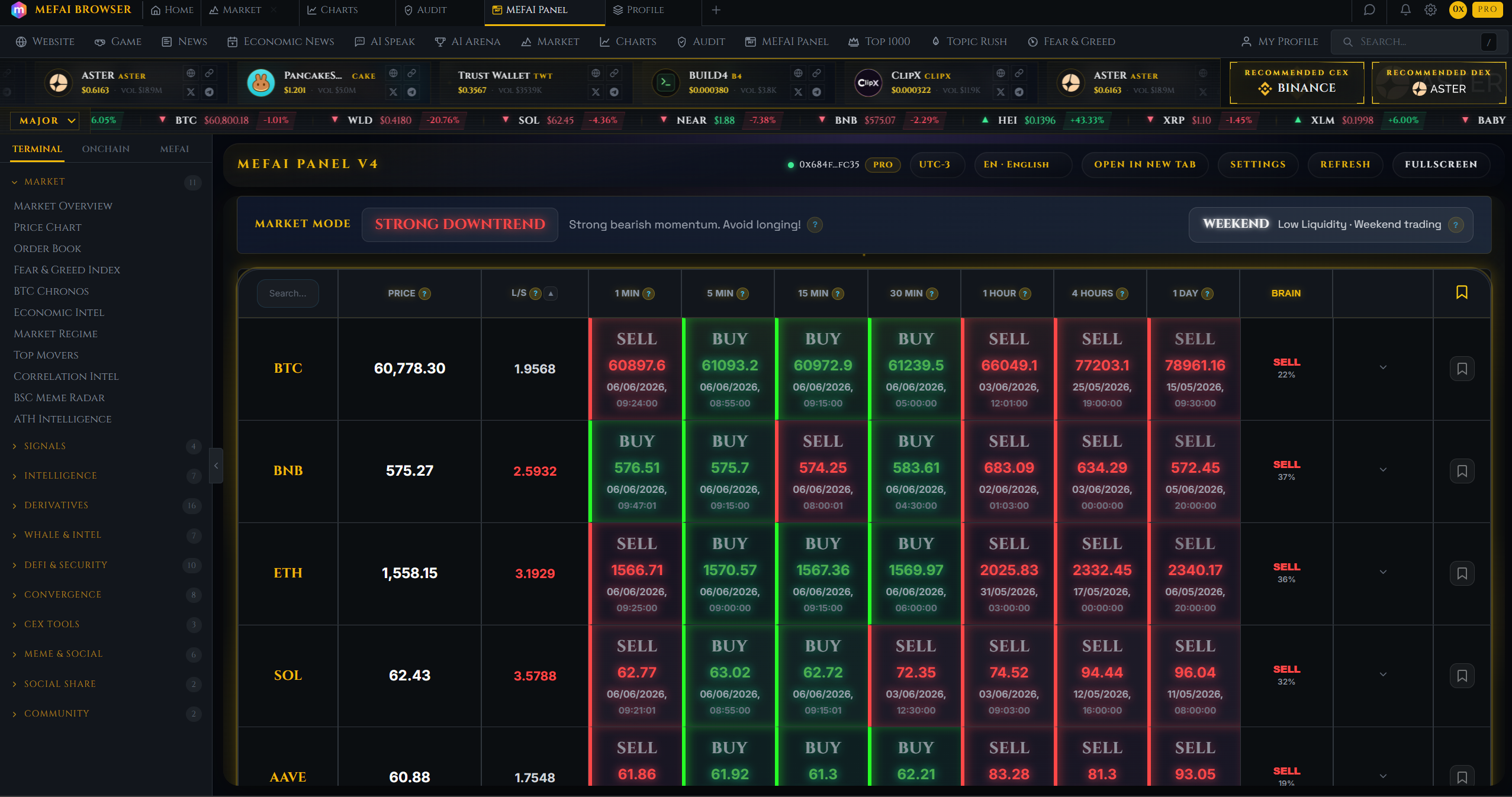
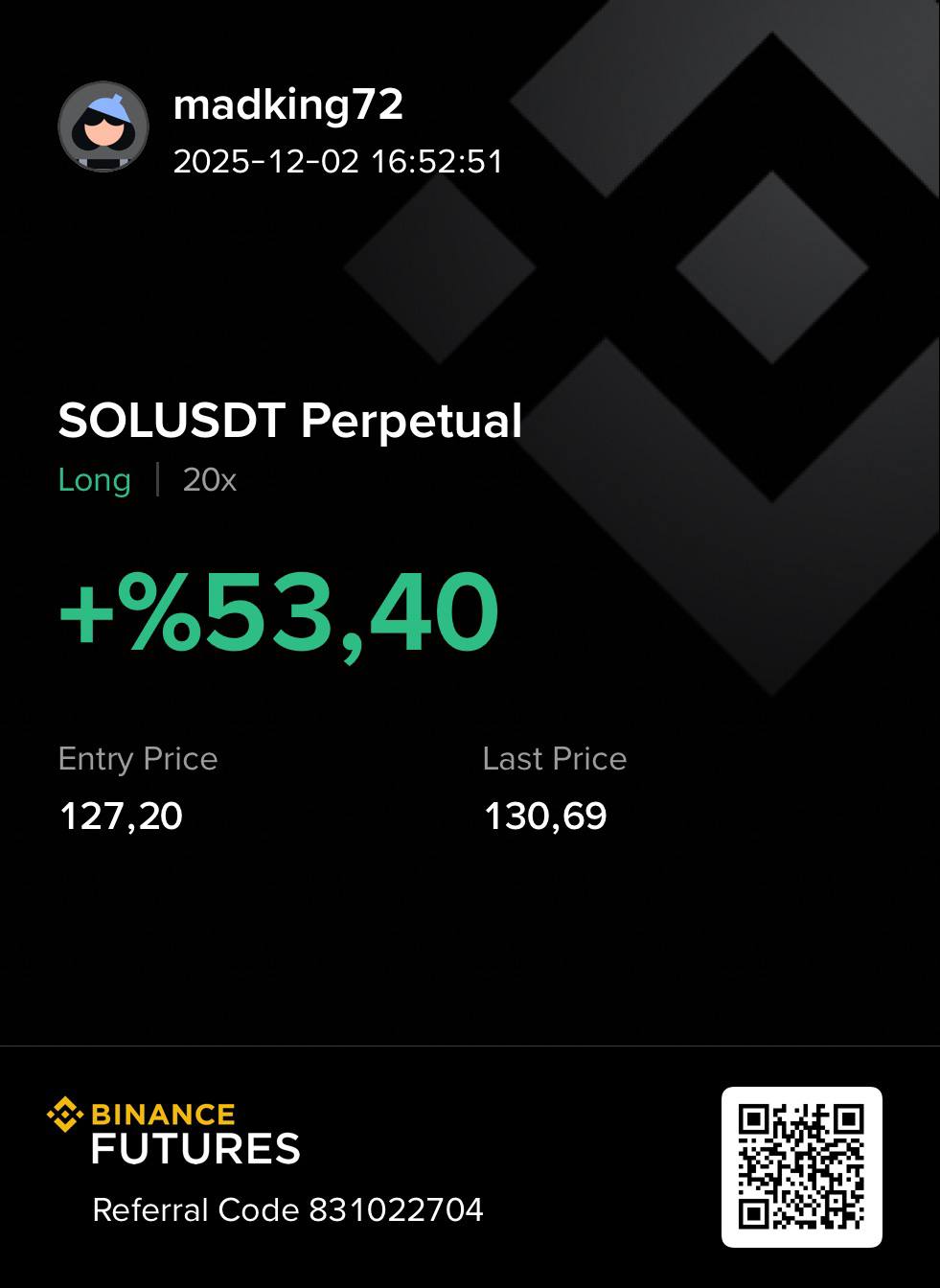
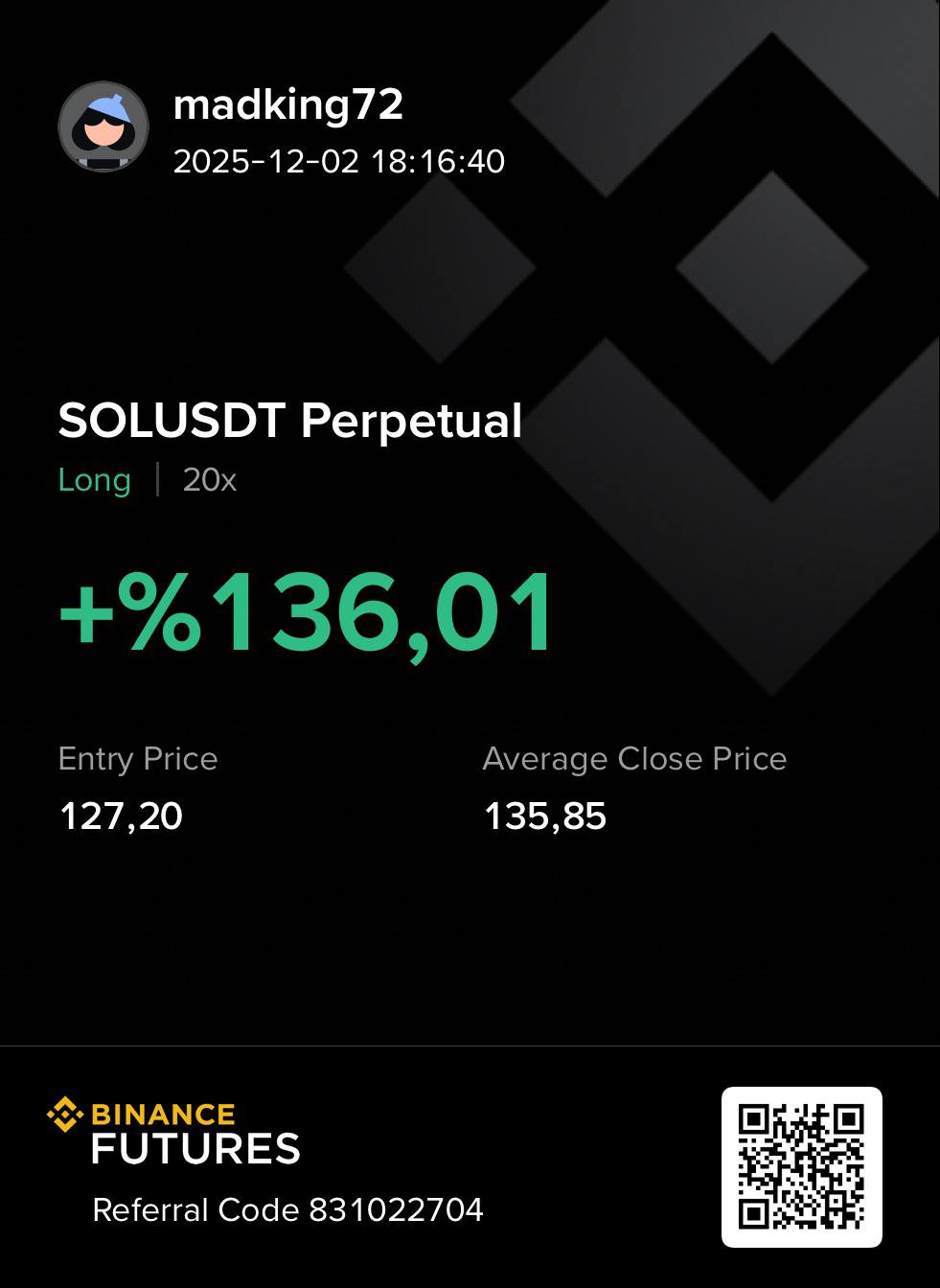
Real results from MEFAI's AI. Get $50 off the Pro plan.
Sponsored · Past performance is not indicative of future results. Not financial advice.

For everyday users, the immediate impact may be subtle. Most consumers interact with AI through free or low-cost interfaces like ChatGPT, which are unlikely to change overnight. However, the long-term trajectory of AI pricing and availability will depend significantly on OpenAI’s business model post-IPO. If the company prioritizes profitability, it may introduce more paid features, stricter usage caps, or regional restrictions. Conversely, if it maintains its mission-driven approach, it could continue subsidizing access to core AI capabilities. Users should monitor announcements about pricing changes, model updates, and new product tiers, as these will signal how OpenAI balances its public obligations with financial performance.
Governance and risk: preparing for a self-improving AI future
One of the most consequential implications of OpenAI’s IPO is its alignment with the company’s stated goal of building AI systems that can research and improve themselves. This capability, if realized, could accelerate progress exponentially but also introduce unprecedented risks. Altman and Pachocki acknowledged these concerns, calling for a measured approach to development. They emphasized the need for safety mechanisms, independent oversight, and global coordination to prevent misalignment or unintended consequences. The IPO process will likely require OpenAI to formalize its risk management frameworks, possibly including public disclosures about model capabilities, failure modes, and mitigation strategies.
Regulators are also taking note. As AI systems grow more powerful and autonomous, governments worldwide are increasing scrutiny over safety, transparency, and market concentration. OpenAI’s public listing will bring it under the purview of financial regulators such as the SEC, but it may also attract attention from AI-focused policymakers in the US, EU, and other jurisdictions. Companies like OpenAI could face new compliance requirements around model documentation, bias audits, and incident reporting. These regulatory developments will shape not only OpenAI’s operations but also the broader AI ecosystem, influencing how competitors approach safety and governance.
Timing and market signals: what to watch next
OpenAI has not set a date for its public debut, and the confidential filing means few details are publicly available. However, several signals could indicate when the company might proceed. First, market conditions will play a critical role. After a strong year for tech IPOs—including high-profile listings from crypto and AI firms—investor appetite may remain robust, but volatility could delay plans. Second, OpenAI’s internal milestones, such as the development of self-improving AI systems or major product launches, could influence timing. The company has suggested it wants to achieve certain goals before going public, implying that technical progress may be a prerequisite.
Another factor is competition. With Anthropic and SpaceX’s xAI also pursuing public listings, OpenAI may feel pressure to move quickly to maintain its leadership position. However, the company’s cautious tone suggests it is prioritizing mission alignment over speed. Observers should watch for updates on OpenAI’s governance structure, particularly how it plans to reconcile its nonprofit mission with public shareholder expectations. Any revisions to its capped-profit model or board composition could signal how seriously it is taking these challenges.
Practical takeaways for stakeholders
For investors, OpenAI’s IPO filing is a significant event, but it is just the beginning of a longer process. Due diligence will require careful examination of the company’s financials, model performance benchmarks, and safety protocols. Prospective shareholders should assess whether OpenAI’s valuation reflects realistic growth assumptions, especially given the high costs of AI infrastructure and talent. They should also consider how the company plans to monetize its most advanced systems without stifling innovation or alienating users.
For developers and businesses, now is the time to diversify dependencies. Relying too heavily on a single AI provider—even one as prominent as OpenAI—can introduce risks related to cost, availability, and control. Exploring alternative models, fine-tuning open-source systems, or negotiating multi-cloud agreements can help mitigate these risks. Developers should also pay attention to OpenAI’s pricing announcements and model update cadence, as these will directly impact integration strategies.
For policymakers and civil society, OpenAI’s IPO underscores the need for proactive governance. The company’s mission to democratize AI is commendable, but public markets may push it toward concentration and exclusivity. Regulators should consider how to ensure that AI benefits are distributed equitably and that safety standards keep pace with technological advancement. Public interest groups may also advocate for transparency requirements, such as mandatory audits of AI systems or disclosures about training data and model limitations.
Conclusion
OpenAI’s confidential filing for a US IPO marks a defining moment in the evolution of artificial intelligence. It signals a transition from a mission-driven research lab to a publicly accountable enterprise, with profound implications for technology, economics, and governance. While the timing of the listing remains uncertain, the move reflects a broader industry shift: AI is no longer an experimental field but a foundational force reshaping markets, labor, and global power structures. The company’s leaders have framed their goals ambitiously—building self-improving AI that benefits humanity widely and safely—but the path from ambition to execution will be complex, especially under the gaze of public investors.
What happens next will depend not only on OpenAI’s internal progress but also on the responses of regulators, competitors, and users. As AI systems grow more capable and autonomous, the stakes of governance and access will only rise. For now, OpenAI’s IPO filing is a signal—one that invites the world to participate in shaping the future of AI, but also to hold the company accountable for the promises it has made. The journey from private ambition to public impact has just begun.
More in Artificial Intelligence

Crypto Recovery on Shaky Ground as Major Tech IPOs Threaten Liquidity Drain
Bitcoin's rebound above $63,000 faces headwinds from accelerating ETF outflows, subdued trading volumes, and looming liquidity drain from massive SpaceX and Anthropic IPOs.

The AI Coding-Assistant Race Heats Up: What the New Moves Mean for Developers
In June 2026 the AI coding-assistant market shifted with new enterprise moves from OpenAI, Google and Microsoft while Anthropic’s Claude Code leads—here’s what developers should watch next.

How AI is reshaping sports tech and shaping the next wave of super apps
FIFA’s new World Cup ball uses AI-informed aerodynamics to create more predictable flight paths, while OpenAI’s plans to turn ChatGPT into a ‘super app’ signal a shift toward AI agents that could chan